
PM Roosevelt Skerrit highlights Dominica’s post-Maria rebuilding and resilience
Nine years after Hurricane Maria, Prime Minister Roosevelt Skerrit says Dominica has rebuilt homes, strengthened public infrastructure and expanded renewable energy as part of its climate resilience strategy.
23rd of September 2026
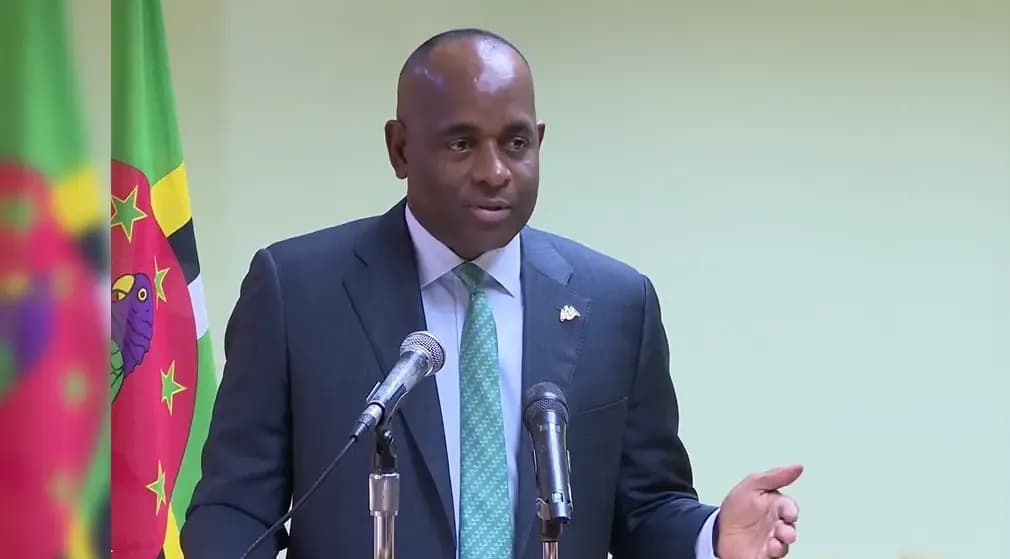
Dominica: Prime Minister Dr Roosevelt Skerrit has highlighted Dominica’s progress in rebuilding homes, public services, infrastructure, and key economic sectors nine years after Hurricane Maria hit the island.
Speaking in parliament on September 22, PM Skerrit said that the government’s approach towards reconstruction was aimed at not just replacing what had been lost, but making the country more resilient for future climate disasters.
“From day one, we said we would not simply build back; we would build back better. We have not yet completed that journey, but the progress we have made is real, visible and transforming lives,” he said.
Climate-resilient housing
Housing has remained a major part in Dominica's reconstruction efforts. According to the government, over 2,000 climate-resilient homes have been constructed via the Housing Revolution initiative, with support from the Citizenship by Investment Programme. More than 7,000 roofs have also been repaired.
The houses are built with reinforced concrete, and have been built to improve hurricane resistance. These include storm shutters, secured roofs, and reinforced foundations.
The government has also been committed to giving families legal ownership of their homes, with title deeds being issued alongside the houses.
Healthcare, education and infrastructure
According to the Prime Minister, 35 health centres and the Marigot Hospital have been constructed or renovated to improve standards.
Schools across the island have also been reconstructed. Several have been fitted with solar energy systems and designed as emergency shelters, to protect the communities during emergencies.
The government has also made investments in roads, bridges and water supplies. Some key electricity utilities have been transferred underground to reduce exposure to extreme weather.
Agriculture and fisheries
Hurricane Maria caused widespread destruction across various agricultural sectors in Dominica, including farming communities, livestock, crops, and the infrastructures used. Funds have also been invested in greenhouses, irrigation facilities, and construction of roads leading to the farms.
According to PM Skerrit, more than 5,000 farmers have been provided with aid after the disaster. These include providing farmers with seeds, tools, fertilizers, livestock, and other inputs necessary in agriculture.
Boats and engines have been supplied to fishers to restore the fisheries sector. These initiatives by the government have restored domestic agricultural production, with locally produced food again available in markets.
Renewable geothermal power
The geothermal project based in the Roseau Valley is one of the key components of this plan. It is being developed to generate 10 megawatts of electricity for the national grid. This project aims at reducing Dominica’s dependency on fossil fuels.
The Prime Minister said that the facility has been undergoing testing, with generated geothermal energy already being supplied to the communities.
Latest
- Guyana Fire Service battles major blaze behind National Aquatic Centre
-
Guyana: Teenager Shot Dead at Home in Suspected Murder-Suicide -
Trinidad and Tobago: Police investigate videos of missing 13-year-old -
Antigua and Barbuda wins Caribbean’s leading Wedding Destination 2026 -
Saint Lucia Opens 2026/2027 Cruise Season with Seabourn Venture’s First Visit
Related Articles


24th of February 2022
![A big win for the Jamaican authorities as another key suspect has been detained in the assassination of Haitian President Jovenel Moise, which took place the previous year in the month of July. Jamaican Police authorities arrested a former Haitian senator, John Joel Joseph, on Friday, the Spokesperson of the Jamaican Police Force, Dennis Brooks, […]](https://content.writeups24.com/production/media/2547/1-42.jpg "A big win for the Jamaican authorities as another key suspect has been detained in the assassination of Haitian President Jovenel Moise, which took place the previous year in the month of July. Jamaican Police authorities arrested a former Haitian senator, John Joel Joseph, on Friday, the Spokesperson of the Jamaican Police Force, Dennis Brooks, […]")
16th of January 2022

24th of November 2021

28th of December 2020
![The Home Office and Jamaica made a deal not to remove the people who came to the United Kingdom as children by the charter flight to Jamaica this week. Seth Ramocan, the high commissioner, said that the Home Office officials had agreed to not deporting Jamaicans who came to the UK when they were below […]](https://content.writeups24.com/production/media/89/download-2020-11-29T212232.264.png "The Home Office and Jamaica made a deal not to remove the people who came to the United Kingdom as children by the charter flight to Jamaica this week. Seth Ramocan, the high commissioner, said that the Home Office officials had agreed to not deporting Jamaicans who came to the UK when they were below […]")
29th of November 2020

9th of February 2026