Hurricane Isaias strengthens in Gulf of Mexico as US Gulf Coast braces for landfall
Hurricane Isaias strengthened to Category 2 in the Gulf of Mexico, with winds reaching 105 mph on Thursday night as forecasters warned of storm surge, heavy rainfall and damaging winds along the northern US Gulf Coast.
9th of October 2026
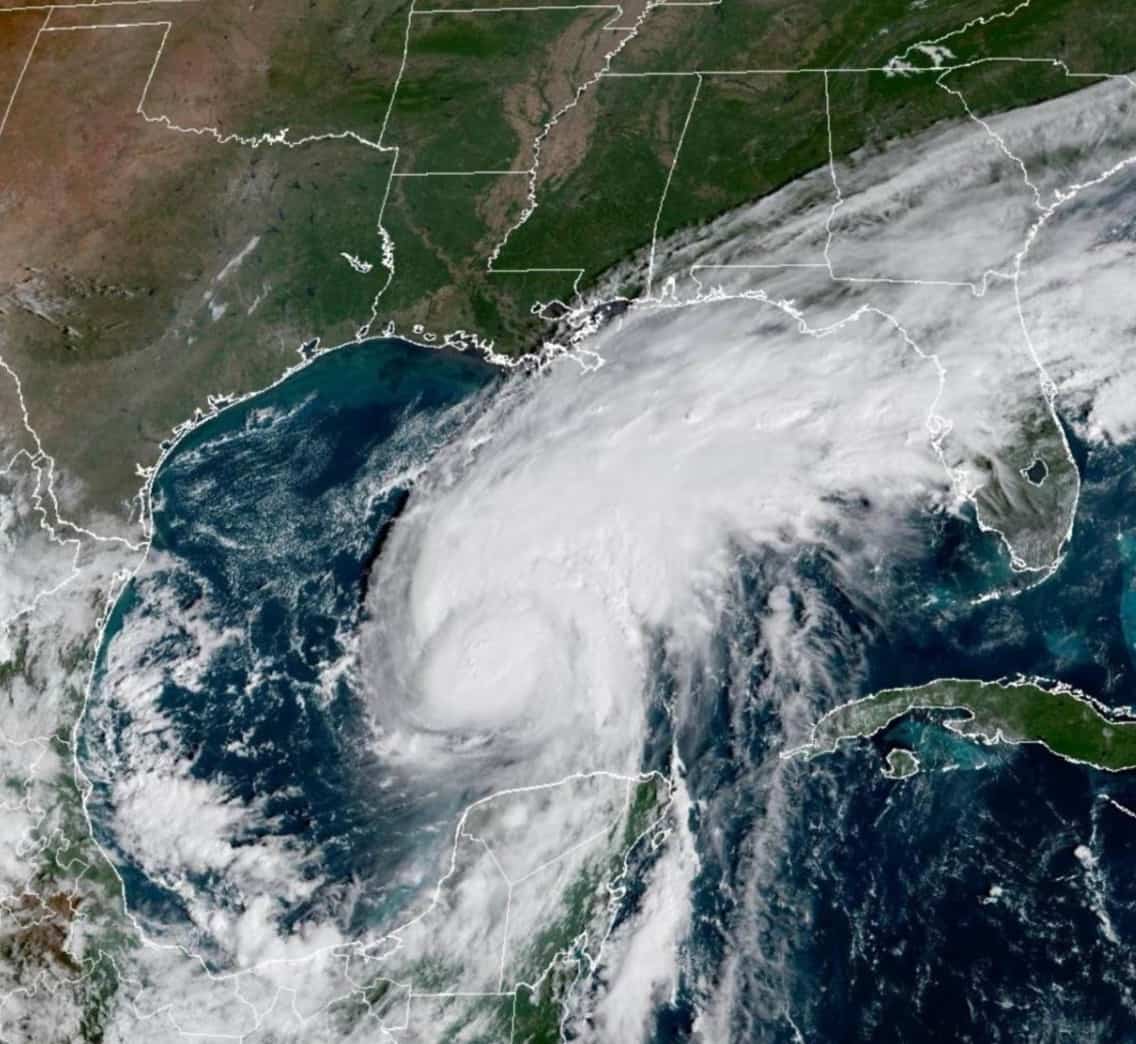
Hurricane Isaias had developed into a Category 2 storm on Thursday as it moved toward the US Gulf Coast after passing through the Gulf of Mexico. The hurricane posed the risk of strong winds, rainfall, and other adverse conditions on the coastline.
The storm also put out warnings for the greater Caribbean region for possibility of disruptions from heavy rain and rough seas.
Tropical storm Isaias was formed on October 7 over the Gulf of Mexico and later developed into a hurricane on October 8. Its development marked the arrival of the first hurricane of the 2026 Atlantic season, after a relatively calm period over the Atlantic basin.
According to the US National Hurricane Center, the wind speed linked with the hurricane Thursday afternoon reached up to 105 mph (165 kph). It was moving northeast at 14 mph (22 kph), with its center located at a distance of 260 miles (415 km) from the mouth of the Mississippi River.
The forecasters predicted that Isaias is expected to approach the northern Gulf Coast on Friday, with parts of the Florida Panhandle, southern Alabama, and southern Mississippi facing major threat from storm surge, strong winds, and flooding.
While Isaias’ primary threat was centered along the US Gulf Coast, its position in the Gulf of Mexico placed it near the larger Caribbean area. The threat to Mexico and the northwestern Caribbean required more attention for coastal areas and marine operations.
Rough seas and strong swells can create dangers to the fishing fleets and the other vessels operating at the coastal regions. Heavy rains can also result in local flooding where storm bands affect vulnerable areas.
Recent advisories have not indicated any wide-scale impact of Isaias in the Caribbean region. The main warnings are for the northern Gulf Coast, while any island-specific risks can be assessed with local meteorological reports.
Latest
- Jamaica’s Sandz team brings EGO restaurant concept to Kingston
-
Dominica expects 475,521 cruise passengers as 2026-2027 season gets underway -
Hurricane Isaias strengthens in Gulf of Mexico as US Gulf Coast braces for landfall -
Belize: Police reveal alcohol may have been involved in fatal Hummingbird Highway crash -
Antigua: Four juveniles escape from Bolans Police Station
Related Articles

3rd of October 2024

9th of August 2024

29th of January 2024

25th of October 2023

8th of July 2023


26th of September 2025