
EU gives St. Kitts and Nevis until 2030 to wind down its CBI programme
St. Kitts and Nevis will continue operating its Citizenship by Investment Programme during a three-year transition period, with new applications accepted until January 2029.
26th of November 2026
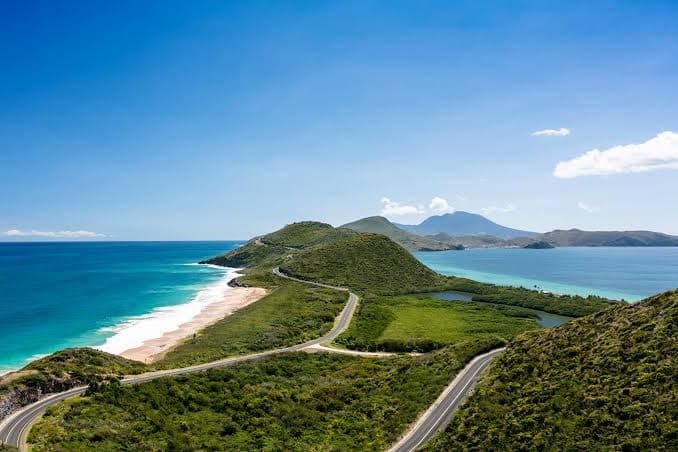
St. Kitts and Nevis has reached an agreement with the European Union to end its Citizenship by Investment (CBI) Programme by January 1, 2030. This will give the Federation three more years to manage the transition and complete the wind down process in a responsible manner.
The announcement follows extensive negotiations between the government of St. Kitts and Nevis and the European Union. According to the Citizenship by Investment Unit, the agreed timeline will allow the country to orderly close the programme, while protecting its international reputation and strengthening its economic future.
The government has welcomed the agreement, stating that it is a reflection of the confidence the European Union has placed in St. Kitts and Nevis. It also credited the major reform introduced to the CBI programme in 2022, helping rebuild trust and improve standards across the region.
During the transitioning process, the CBI Programme will remain operational under strict regulations and agreed safeguards. The government said that there will be no reduction in programme fees, investment requirements, or due diligence standards.
The Eastern Caribbean Citizenship by Investment Regulatory Authority (ECCIRA) will also ensure compliance with the agreed measures. The government has outlined clear dates for applicants. The Citizenship by Investment Unit will consider applications up to January 31, 2029. Applications submitted before February 1, 2029, may continue through the processing stage until December 31, 2029, when all processing activities are expected to be completed.
PM Drew also highlighted that the agreement covers more than the issue of visa-free access to Europe. It is important to maintain strong international ties to protect the Federation's connection to the global banking system, especially correspondent banking links with the United States, Canada, and Europe.
The European Commission has also expressed its willingness to continue working with the Federation throughout the transition. Discussions have already started on possible support for the country’s economic diversifications including geothermal energy, digital connectivity, and other initiatives under the European Union’s Global Gateway strategy.
The Government plans to utilize the remaining time to complete ongoing CBI-funded projects, while increasing efforts to diversify the national economy under the Sustainable Island State Agenda.
Latest
- EU gives St. Kitts and Nevis until 2030 to wind down its CBI programme
-
Barbados: Deandra Dottin returns to West Indies Women’s squad for Pakistan home series -
Dominica set to welcome more than 5,000 cruise passengers aboard three ships on Thursday -
Antigua names 10 hospitality professionals nominated for 2026 Rising Star award -
Jamaica’s Celene Hall misses Top 30 at Miss Universe 2026
Related Articles


3rd of July 2024

6th of December 2023


8th of February 2023

29th of May 2022

9th of February 2021

29th of April 2026